What’s The Deal With Soy?
What’s The Deal With Soy?
Is soy bad for you?
When people learn that I’m vegan, after they ask where I get my protein, they’re eager to know if soy is bad for you and if I’m worried about hormones in soy. Let’s put those fears to rest.
Do vegans have to eat soy?
When we adopt a vegan lifestyle, we don’t get a welcome gift from a kitchen stocked with soy products. Being vegan doesn’t require a heavy dependence upon soy.
Believe it or not, it is possible to be vegan and never eat soy, though I don’t think it’s necessary to avoid it altogether unless there’s an allergy.*
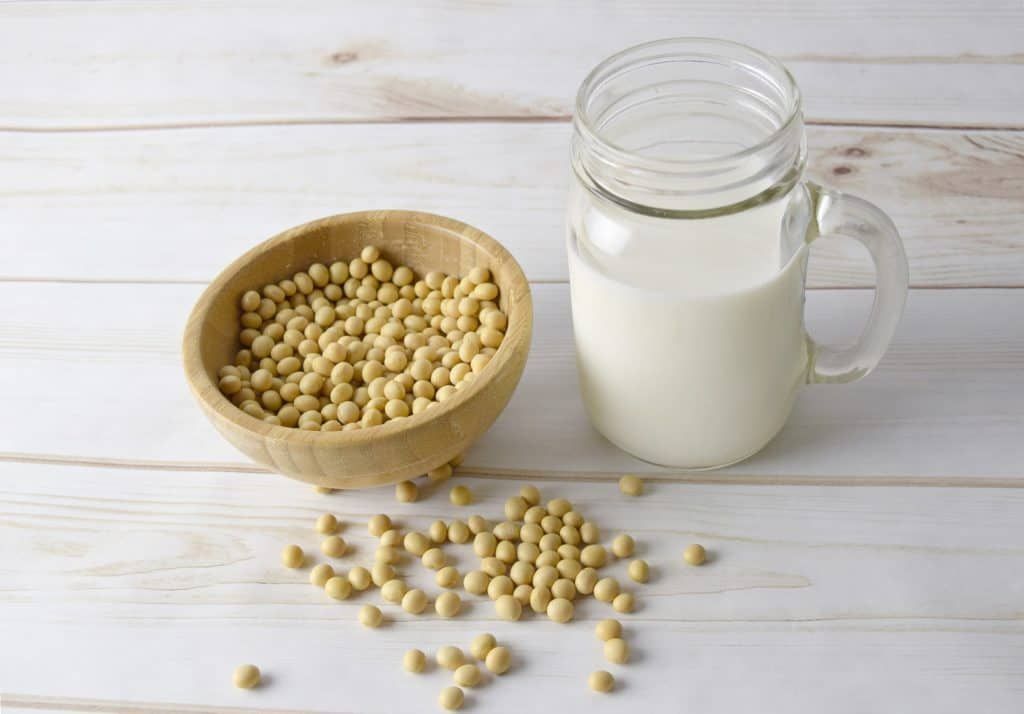
Soy comes in many forms. I suggest choosing the least processed types like edamame, tempeh, tofu, tamari (a high-quality wheat-free soy sauce), and miso. If you do eat processed vegan meats and snack foods, consider reducing or eliminating them altogether.
Now that the myth that soy foods are a requirement for vegans is debunked, let’s talk hormones!
Does soy have hormones that make males more feminine?
It’s important to understand where this fear comes from. My first thought when I hear a claim like this is to follow the money. Some of the questions I ask are:
- Who is saying it?
- Who gains financially when I follow this recommendation?
- What are the wide-ranging implications of acting on the advice?
The myth that we should be worried about phytoestrogens in soy has been widely spread by one organization with a very powerful propaganda platform.
And guess what? That group [Weston A. Price Foundation (WAPF)] also happens to have strong financial ties to the meat and dairy industry.
Soy is a strong competitor to meat and dairy. Thus, those industries stand to gain financially by perpetuating the fear that soy is problematic for hormones.
According to science, in moderate amounts, soy does not cause feminine characteristics in males.
How are phytoestrogens different from estrogens?
Soy is a plant and humans are animals. The estrogens in soy are called “phytoestrogens.” Phyto = plant, so it’s a plant estrogen.
For an animal body (like our human bodies) to convert plant estrogens into something usable is very complex and results in a significant drop-off or waste and very little usable human estrogen in the end.
The converted phytoestrogens are 1,000 times less potent than those in animal estrogen and aren’t easily absorbed by the human body. Thus, there is very little usable estrogen in soy.
In fact, the phytoestrogens in soy actually block our estrogen receptors, making it protective against hormone-related cancers like breast, ovary, endometrium, prostate, testicular, thyroid, and more. Check out this video by Dr. Michael Greger.
Here is an article about the safety of soy for cancer survivors.
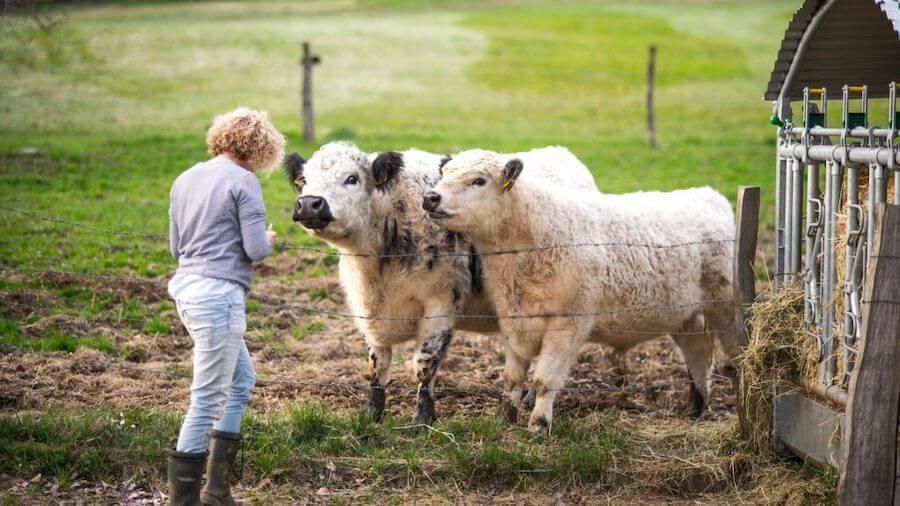
We need to be asking about the hormones in mammal’s milk.
When I nursed my daughter, I learned firsthand about the abundance of naturally occurring hormones required for a mammalian body to create and sustain a milk supply.
While soy has phytoestrogens which don’t easily convert into something usable by a human/animal body cow’s milk contains: prolactin, IGF-1, prostaglandins, and steroids including estrogens, progesterone, corticoids, and androgens.
Note that these are naturally occurring, not added hormones, like rbST, the newer name for recombinant bovine growth hormone. These are the hormones we need to be concerned about.
How are the hormones in cow’s milk affected when the cows are milked during pregnancy?
Cows are artificially impregnated approximately every 10 months to maintain milk flow since milk is only present after birth.
Throughout her pregnancy, while estrogen (and other hormones) levels skyrocket, Mama Cow is milked. There are no labels on cartons of cow’s milk that indicate the time of the pregnancy cycle when the milk was collected. That’s because all the milk is mixed together in a big vat.
Keep in mind that these are animal hormones that can pass the blood-milk barrier when consumed and are from one animal body to another.
This is a direct infusion of hormones no conversion is necessary. To me, that is much more concerning than potential plant hormones that may or may not make it through the complex conversion system.
If you’re concerned about hormones, an animal’s milk is one of the last things you’ll want to consume. (Animal flesh too!)
Get my recipe for homemade soy yogurt here.
To your optimal health,
Allison
*Many years ago, I developed a sensitivity (different from an allergy) to soy and had to omit it from my diet for a few years. Now that my system is cleared of that over-reaction, my body has no problems when I consume edamame, tofu, tempeh, tamari, and soymilk (Trader Joe’s brand has only water and organic soybeans). Healing from sensitivity can be done! Incidentally, I choose only organic and non-gmo certified soy to avoid pesticides, herbicides, and GMOs.
Allison Rivers Samson is a Self-care Coach, Speaker, and Workshop Leader. She is the Co-Founder of The Dairy Detox and an award-winning author. You can find her on Instagram, and YouTube.