Essentials For The Aspiring Zero-Waste Family
Cutting down on waste can seem like an overwhelming task, but it’s a necessary thing to consider if your aim is to raise eco-friendly kiddos and to reduce your family’s overall footprint. That said, we haven’t all got it quite mastered yet.
What follows are a list of basics to help get any waste cutting family or household started.
Wax Wraps
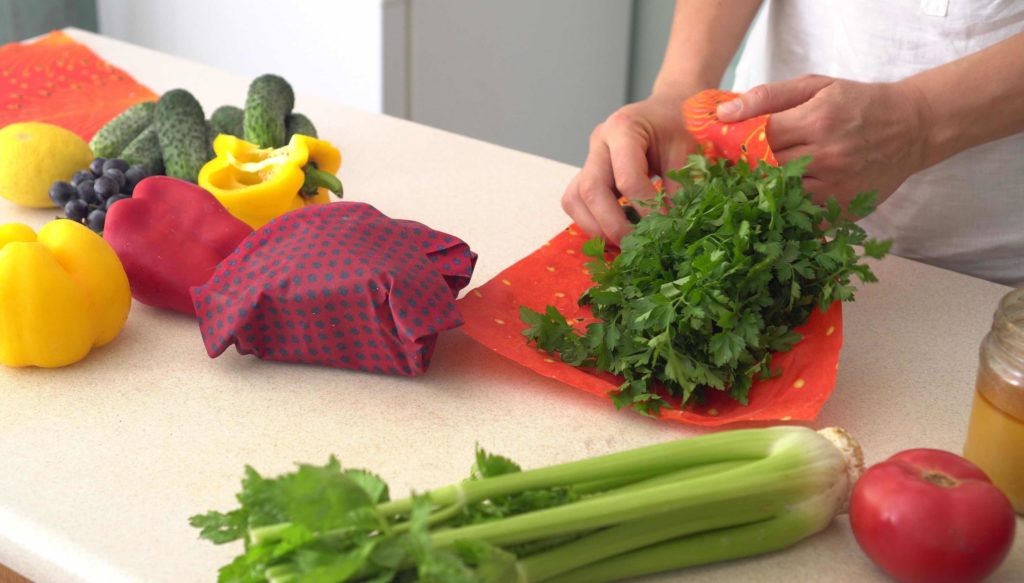
A perfect replacement for cling wrap, wax wraps easily fold over dishes or tubs and can last up to a year — just watch out for beeswax. While some are vegan, many are made using this ubiquitous animal product.
Bars Of Soap
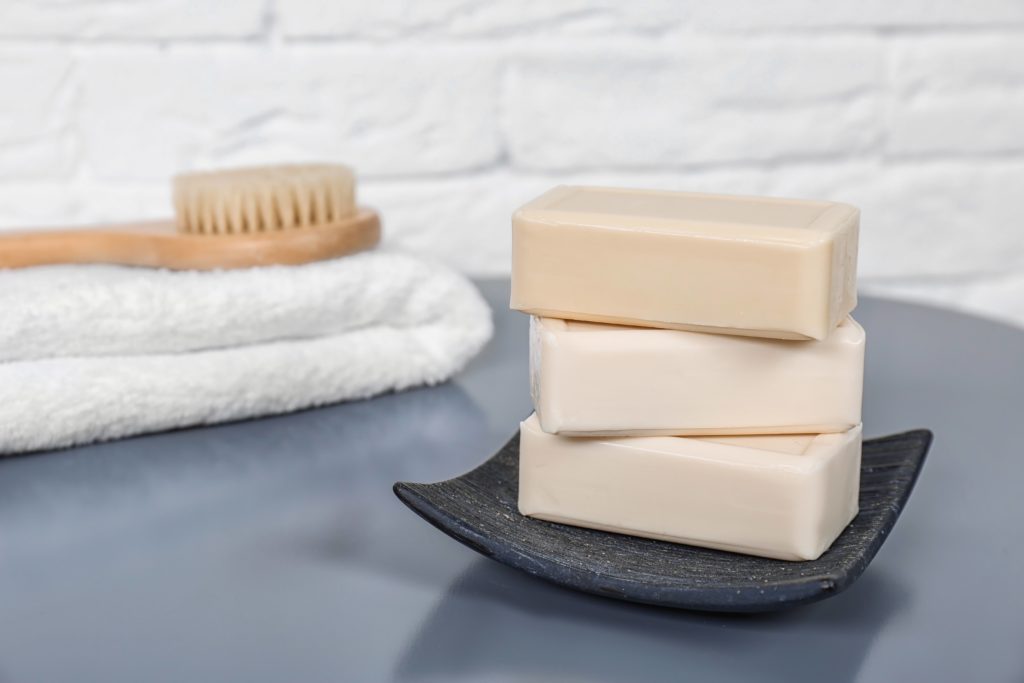
Replace everything from body wash to pump dispenser hand soap with bars instead.
They last longer, are easier to travel with, and don’t leave behind plastic waste.
Reducing Paper Waste
If you’re looking to cut paper waste, you can switch out your current paper towel and toilet paper for recycled brands — but that’s not all.
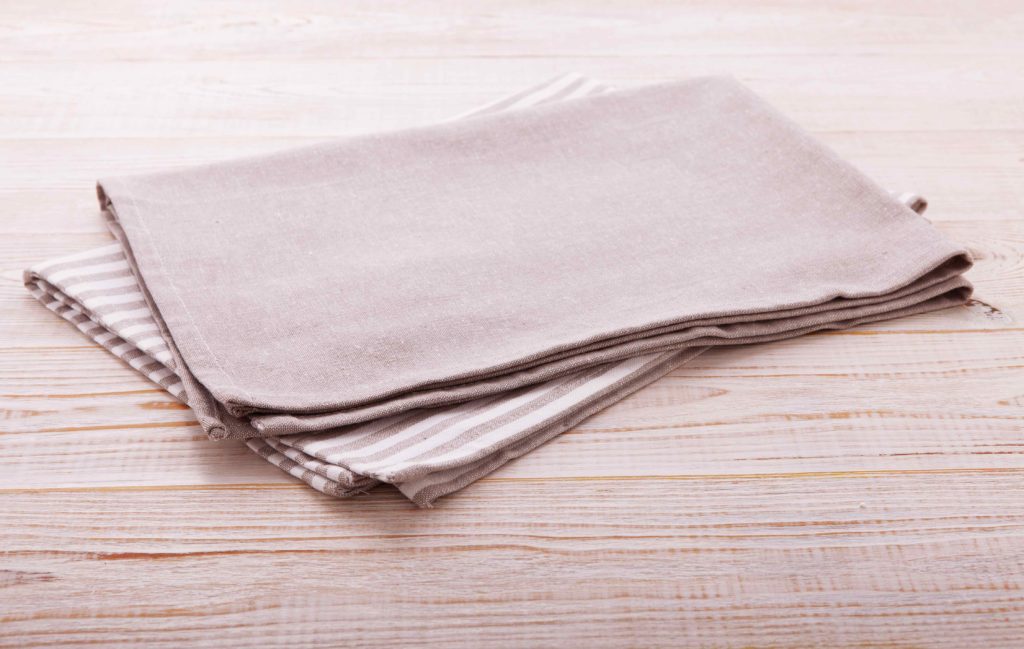
Keeping cloth napkins and an abundance of rags on hand can be a total game changer when it comes to kitchen waste.
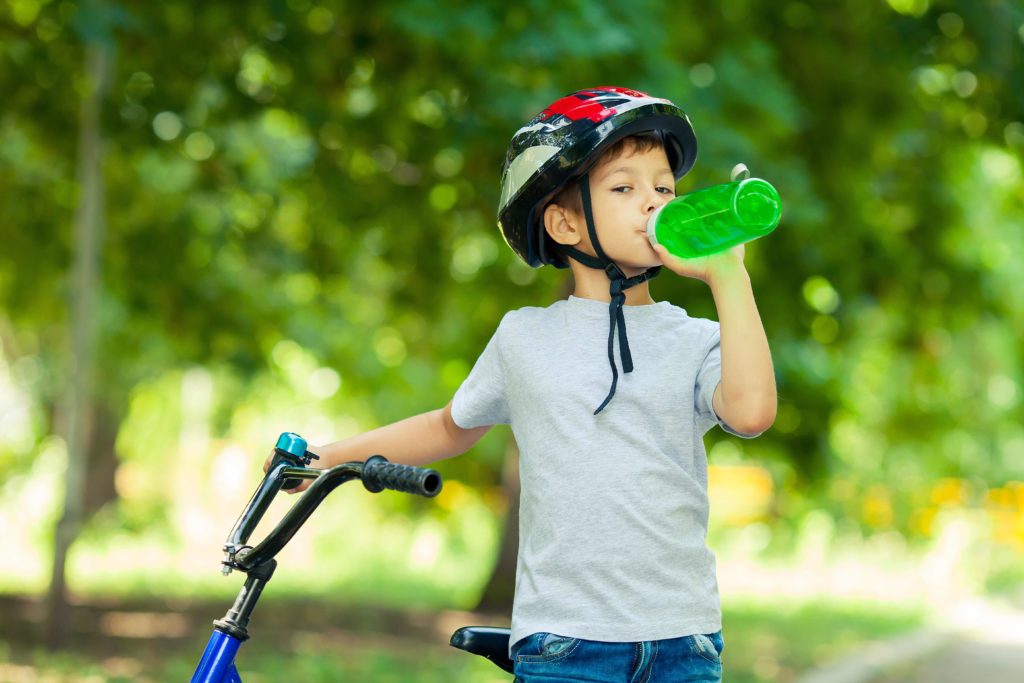
Re-usable Water Bottles
Buying juice, water, iced coffee, and other on-the-go beverages can be incredibly wasteful. Re-usable bottles are eco-friendly, handy and can be great for hot and cold drinks.
You may want to keep a cooler in the car for easy transport, or keep a bottle in yours or your kids backpacks, or even your diaper bag.
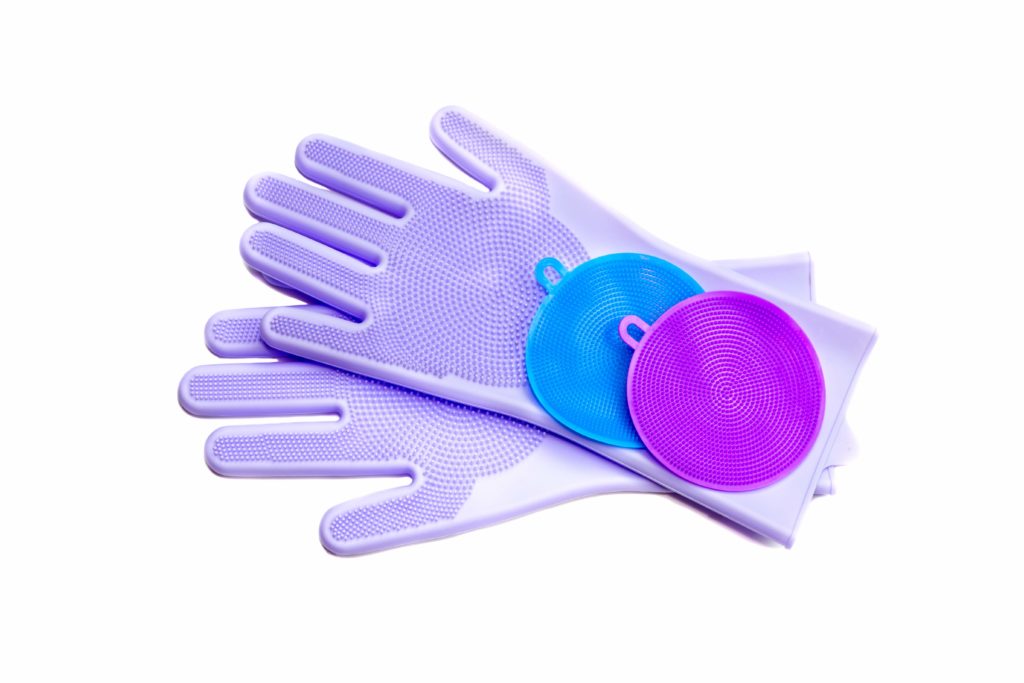
Silicone Sponges
Instead of throwing away a standard sponge nearly every week, it might be time to invest in some silicone sponges.
You can wash and reuse these ones for up to a year!
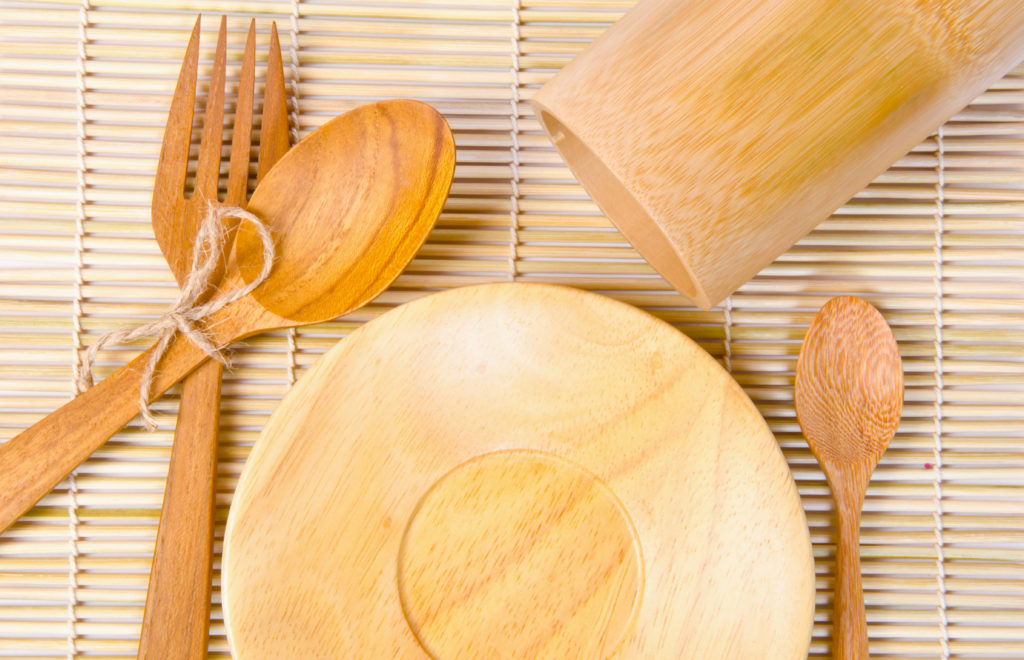
Bamboo Utensils
For picnics, events or your weekly trip to the farmer’s market, keeping bamboo or other reusable utensils on hand is essential.
Keeping these in your car, with your reusable totes, or tucked away in your bag at all times is essential.
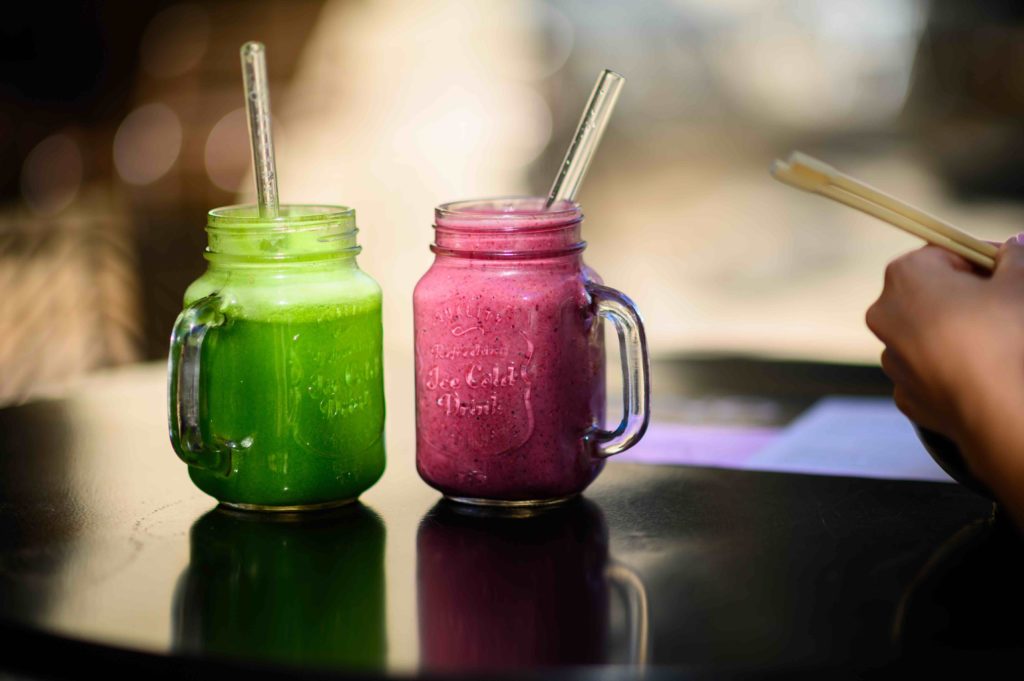
Metal, Glass Or Bamboo Straws
Straw ditching is all the rage these days — and with good reason. Stocking your house with reusable straws made from glass, metal or bamboo, is a must especially if you have smoothie loving kiddos at home.
Glass straws, while breakable, stand out among the mix, as it’s easy to see they’re squeaky clean and there are not fruity bits left behind.
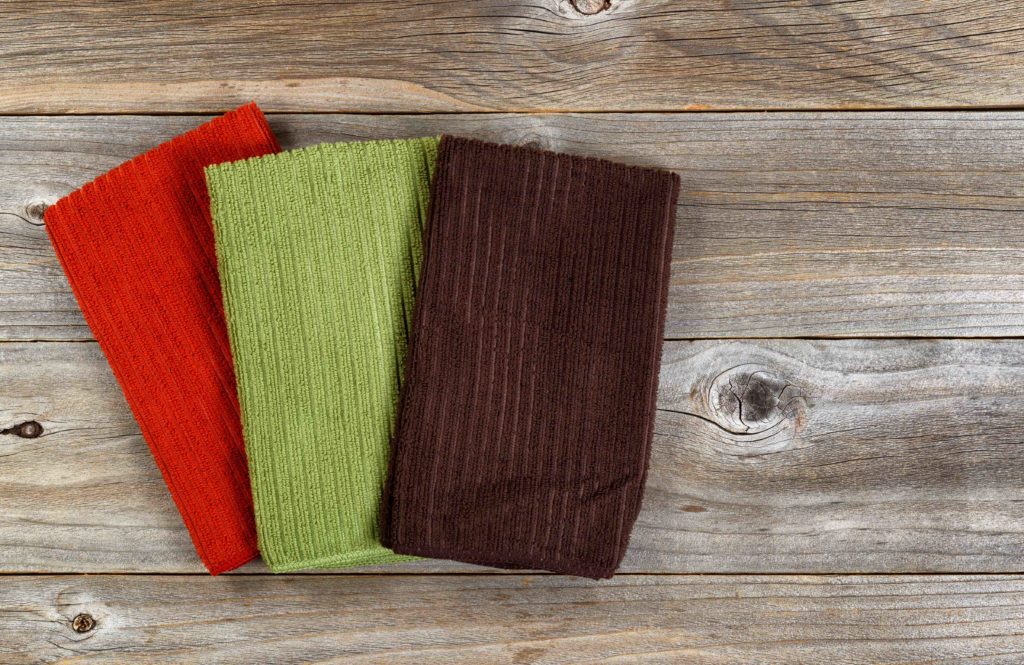
Microfibre Cleaning Cloths
Instead of one-use wipes, sponges and tissue, buy some microfibre clothes for your light duty house work.
Keeping them in the bathroom and the kitchen will make a quick counter wipe or spill clean easy as can be.
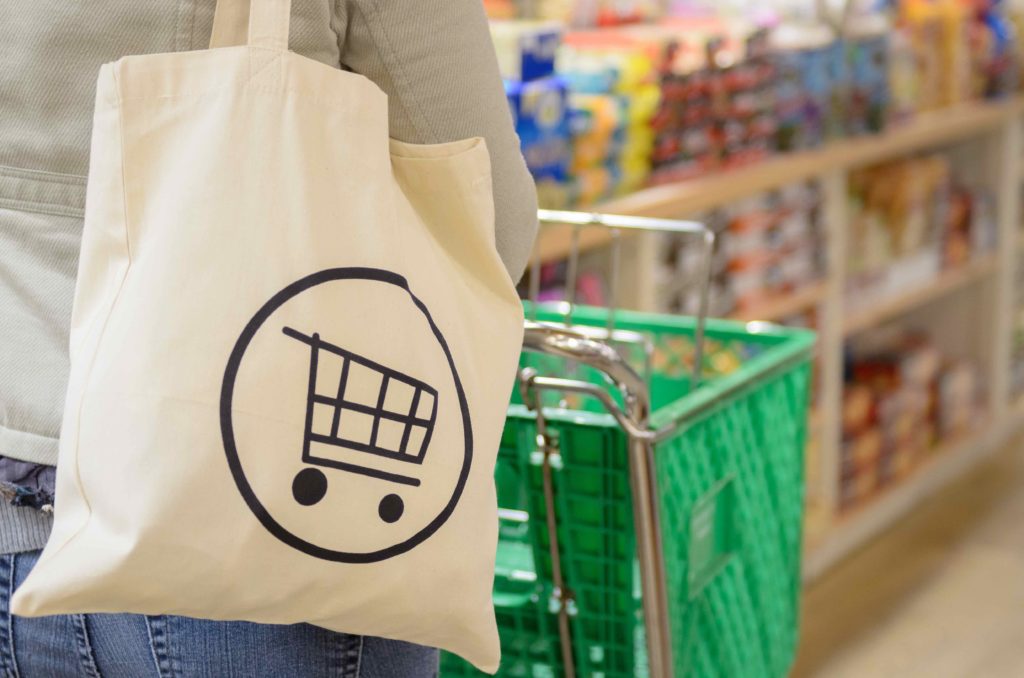
Cotton Totes
Cotton totes are great for food and clothes shopping, or just carrying around in your purse, diaper bag, or backpack incase you pick something up during your daily comings and goings.
It’s a great idea to keep a few of these in your car or near your door, so you don’t forget them on the way out to the market, or into a store.
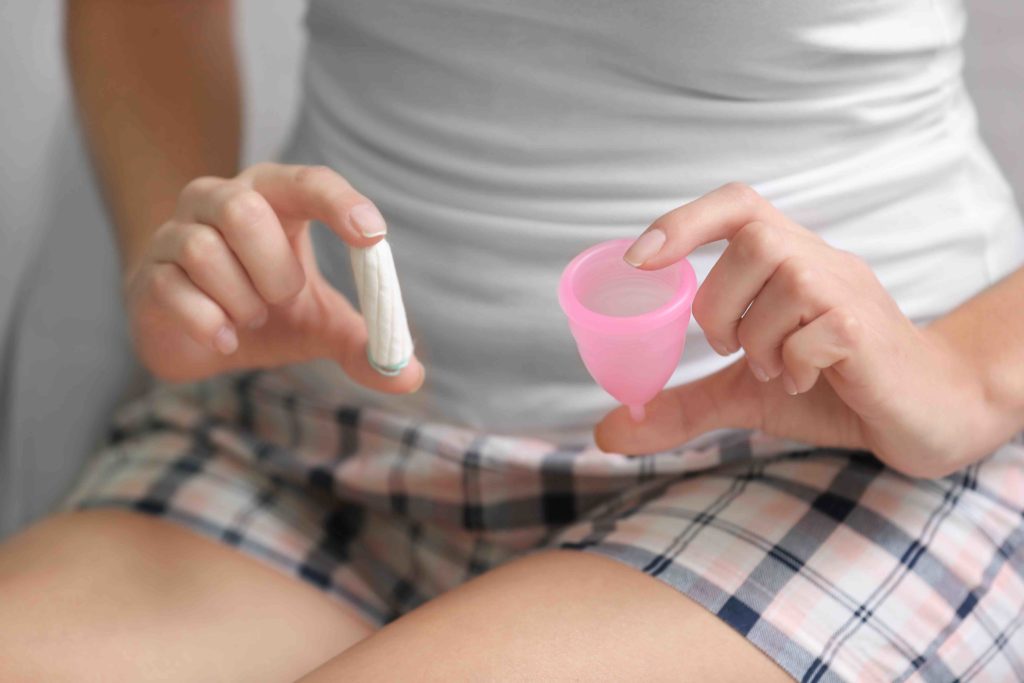
Eco-Friendly Menstrual Products
While eco-friendly period products may not be accessible to every woman — due to upfront cost, health issues or the intensity of their cycle, for example — menstrual cups and period-friendly underwear are an excellent way to cut down on monthly waste.
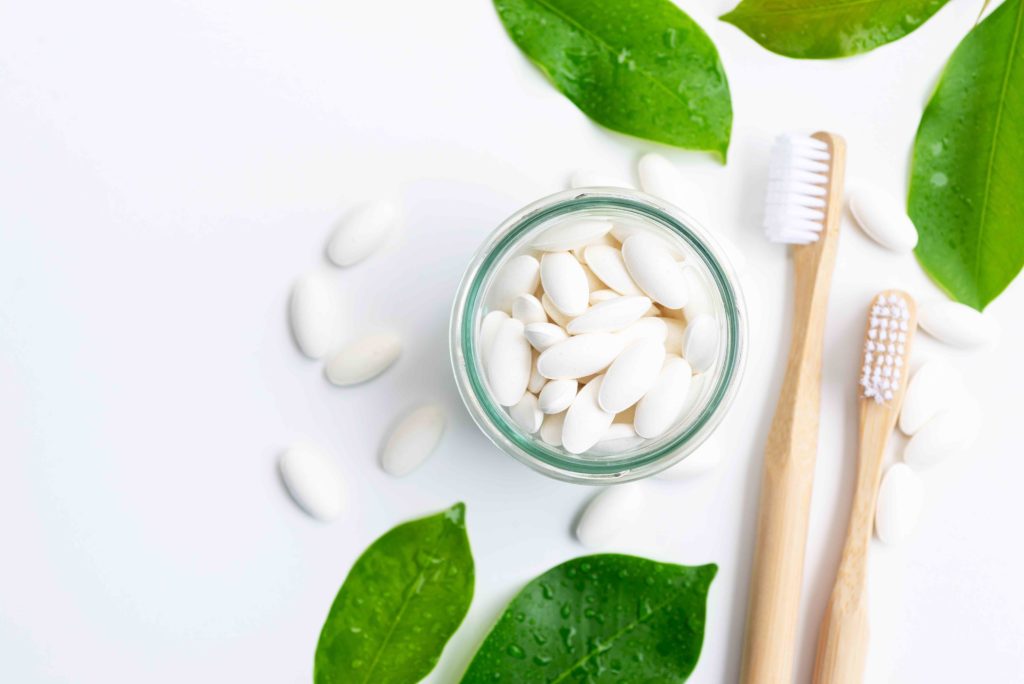
Toothpaste Tablets
Toothpaste tablets often come in a recyclable bottle, which is much more eco-friendly than your average toothpaste tube.
As an added benefit, they’re easy for travel, and a no-mess option for camping, sleepovers, or business trips.
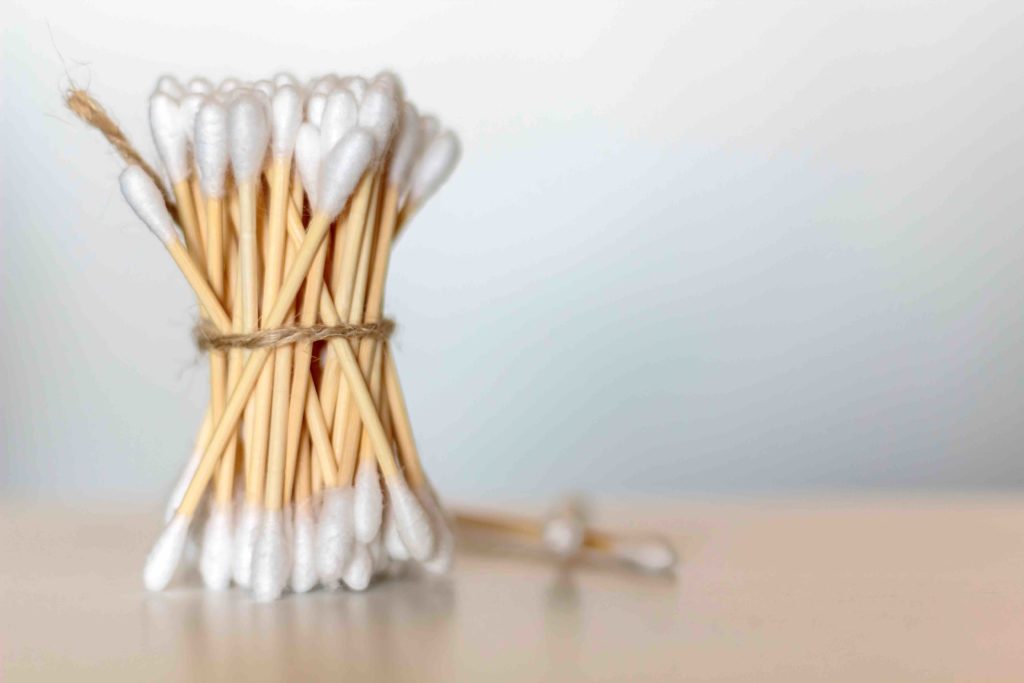
Biodegradable Cotton Swabs
Easy to obtain online, these leave no waste and don’t damage the environment the way plastic swaps do.
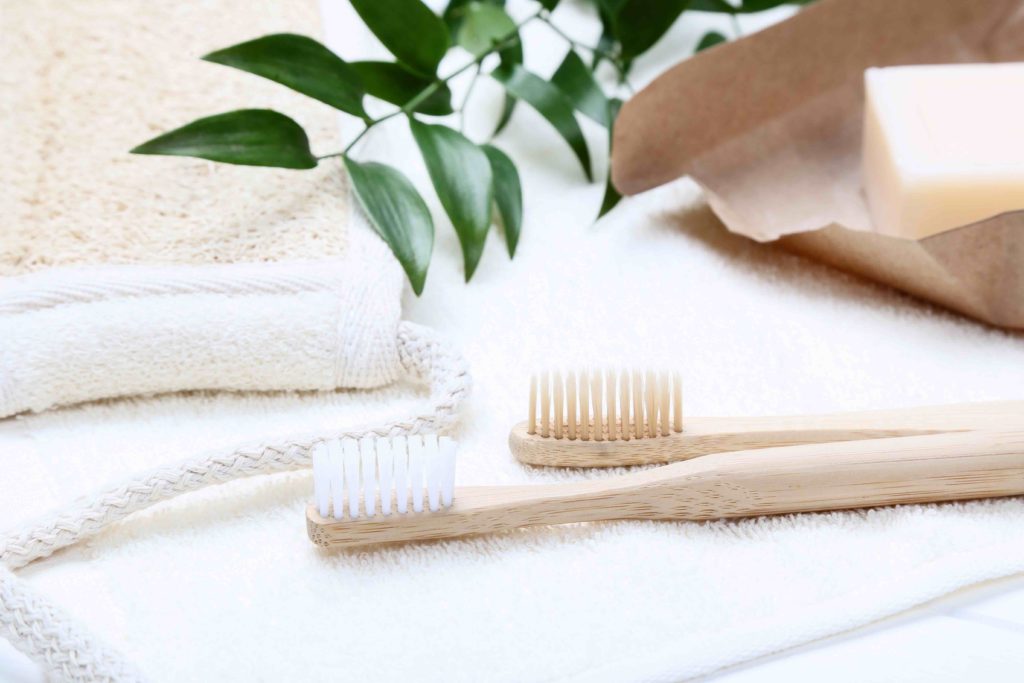
Bamboo Toothbrush
Bio-degradable and easy to obtain, a bamboo toothbrush is an easy switch.
Look for one that doesn’t have plastic bristles, so you can pop it right in the compost when you’re done.
Zero-Waste: A Lofty Aspiration?
The term zero waste can sound intimidating and get consumers into a bit of an all-or-nothing mindset, which may ultimately deter some.
While being completely waste free is a tall, if not near impossible, order, simple swaps like these can quickly become habit and make a big mark when it comes to your household waste — so why not, really?
Nobody is going to kick you out of the zero-waste club for trying, after all.
What zero-waste swaps did we miss? Let us know in the comments.