Vegan Myth Debunking: Most Common Vegan Myths
Reasons, why omnivores will not become Vegan, include vegan myth after vegan myth
From the lack of protein to plants having feelings, some of these myths have certainly given us some laughs. Here are the top 5 vegan myths and why they are simply not true.
Vegan Myth 1: Vegans Are Not Healthy
Fact: It is the position of the Academy of Nutrition and Dietetics that well-planned plant-based diets are healthy, provides sufficient nutrition, and deliver health benefits for the prevention and treatment of certain diseases.
Lower rates of hypertension, type 2 diabetes, blood pressure, heart disease, and cancer are also associated with a plant-based diet.
Additionally, a study in the Journal of the Academy of Nutrition and Dietetics showed that people who are strict vegetarians (defined in the study as people who reported not consuming meat, fish, eggs, milk, or dairy products) had the highest intakes of vitamins and a much lower body mass index.
They reported a clear distinct association between obesity and those who consumed animal and dairy products.
Vegan Myth 2: You’ll Be Protein Deficient Without Meat
Fact: According to the above-mentioned study called Nutrient Profiles of Vegetarian and Non-vegetarian Dietary Patterns, strict vegetarians (vegans) consume relatively the same amount of protein as nonvegetarians, they simply do it through vegetable proteins.
According to Harvard Health Publications, the recommended daily allowance of protein per day is 0.8 grams of protein per kilogram of body weight. Subsequently, a 150-pound person should consume 53 grams of protein per day. 53 grams per day would add up to about 10% of daily calorie intake. However, studies show that most people consume around 16% of their daily calories in protein.
The Academy of Nutrition and Dietetics study showed that, on average, people consume up to 75g of protein per day. It is safe to conclude that vegans are able to consume just as much protein as nonvegans, which is all the protein they need.
Vegan Myth 3: You Need Cows Milk To Obtain Calcium
Fact: The recommended daily allowance of calcium is between 700-1,300 for growing children, 1,000-1,200 mg per day for most adults, and 1,500mg per day for pregnant or lactating women.
One serving, 8 ounces, of whole cow's milk will provide you with 276mg or 28% of your daily allowance. BUT, here is a list of non-animal foods that will naturally get you all of that and more!
-
1 cup of white beans: 191mg/19%
-
¼ cup of Almonds: 72mg/7%
-
1 medium orange: 65mg/6%
-
1 tbsp of Sesame Seeds: 88mg/9%
-
8 dried figs: 107mg/10%
-
1 cup bok choy: 74mg/7%
-
2 cups raw kale: 188mg/19%
-
Black-eyed peas 185mg/18%
Here is a list of calcium-fortified foods:
-
1 cup instant oatmeal: 187mg/19%
-
1 cup orange juice: 500mg/50%
-
½ cup firm tofu: 861mg/86%
Vegan Myth 4: Vegan Diets Are Not Safe For Growing Children
Fact: The Academy of Nutrition and Dietetics also deduces that vegan diets are appropriate for all stages of the life cycle.
It specifically points out that pregnancy, lactation, infancy, childhood, and adolescence are included in this claim. Yes, there are specific nutritional requirements for growing children.
However, these can easily be met with planning, something that is always highly recommended by physicians and nutritionists.
Of concern to people are news stories that are widely shared when a child dies of malnutrition or illness. Headlines are quick to identify the family as Vegan rather than negligent.
In any group or culture, there will be people who reject social norms, modern medicine, and scientific research.
As a result, some don’t respond appropriately to their child’s signs of failing to thrive. It is rather infuriating for the Vegan community to be blamed for parental negligence. The true virtues of Veganism include compassion for animals not disregard for the health of our children.
Vegan Myth 5: Being Vegan Is Hard And Boring, And Expensive
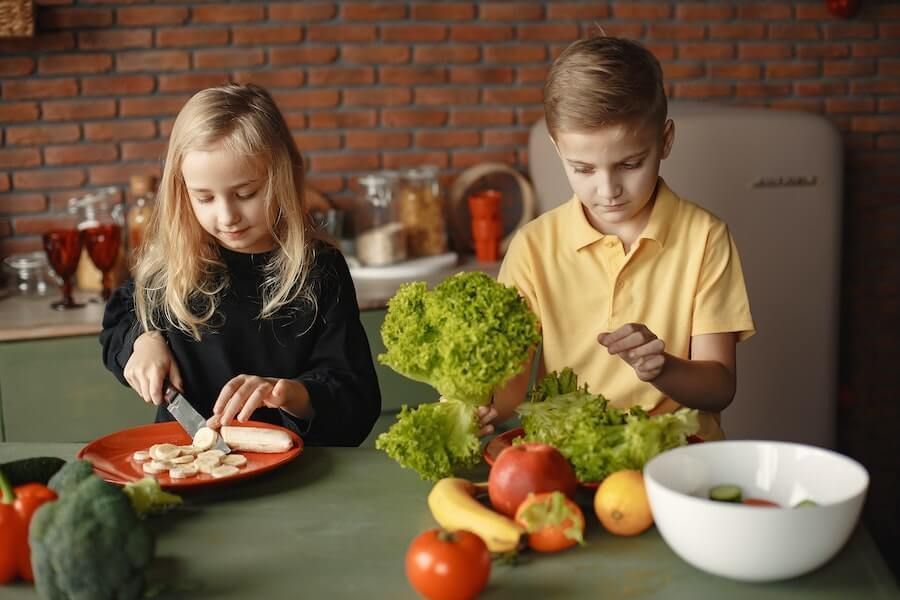
Fact: The staples of a plant-based diet consist of fruits, vegetables, beans, legumes, and rice. These are actually some of the least expensive things you can buy.
Various meat and prepackaged food products are far more expensive. Changing your mindset on the things that you need to have in your house will tackle this problem.
It’s just as easy to open a can of beans and chop some veggies for a bean salad as it is to season and grill up a steak.
Humans are strict creatures of habit. We are so used to the quick and easy lifestyle, of having everything as fast as possible, that the idea of doing something else, of changing routine, is scary.
If changing your lifestyle, reclaiming your health, and not hurting animals, is something that is important to you, then the key is to understand your own tastes and investigate ways of appeasing them.
It might be a little slow and difficult in the beginning but just like everything in life, a little bit of practice will reap rewards.
Also, search for vegan comfort foods because wow, there are a ton of them – pasta, pizza, soup, stew, pastry, and yes, CHEESE, the list is endless.
Good luck on your Vegan Journey!